How Often Should You Replace Your Roof?
Key Points
- Most asphalt shingle roofs need replacement every 20 to 30 years. Metal, slate, and synthetic roofs can last 40 to 100+ years depending on the material.
- Age alone doesn’t tell the whole story. A well-installed roof with good ventilation can outlast its “expected” lifespan. A poorly installed one can fail in half the time.
- You should have your roof professionally inspected once a year, and after any major storm, regardless of age.
- Common signs it’s time to replace rather than repair include curling or missing shingles, granule loss, daylight through the attic, and repeated leaks in different spots.
- Pennsylvania’s freeze-thaw winters and humid summers are harder on roofs than milder climates, which can shorten asphalt shingle lifespan.
- As one of the top roofing companies in central PA, Vale offers free inspections that give you a straight answer on how much life your roof has left. No pressure, no games.
How Often Should You Replace Your Roof?
Here’s the short answer: most homeowners replace their roof every 20 to 30 years if they have asphalt shingles, which is what the vast majority of homes in York, Lancaster, and Adams County have.
But that number is a starting point, not a rule.
Two roofs installed the same year, in the same neighborhood, can age completely differently. One might need replacement at year 18. The other might comfortably reach year 28.
The difference usually comes down to three things: the material, the quality of the original installation, and how well the roof has been maintained since.
Let’s break all of that down.
Roof Lifespan by Material
Not all roofs are built the same, and not all of them are supposed to last the same amount of time. Here’s what to expect by material type:
- 3-tab asphalt shingles: 15 to 20 years
- Architectural (dimensional) asphalt shingles: 20 to 30 years
- Premium/designer asphalt shingles: up to 30 to 40 years
- Standing seam metal roofing: 40 to 70 years
- Synthetic slate and shake: 40 to 50 years
- Natural slate: 75 to 100+ years
Most homes we work on across York County, Lancaster County, and Adams County have architectural asphalt shingles, which is why the 20 to 30 year window is the number most homeowners in our area should keep in mind.
If you’re not sure what material is on your roof, or want a professional opinion on where yours currently sits in that range, a roof inspection is the fastest way to find out.
What Actually Determines How Long Your Roof Lasts
Material sets the ceiling. These four factors determine whether you actually reach it.
1. Installation Quality
This is the single biggest factor, and it’s the one homeowners have the least visibility into.
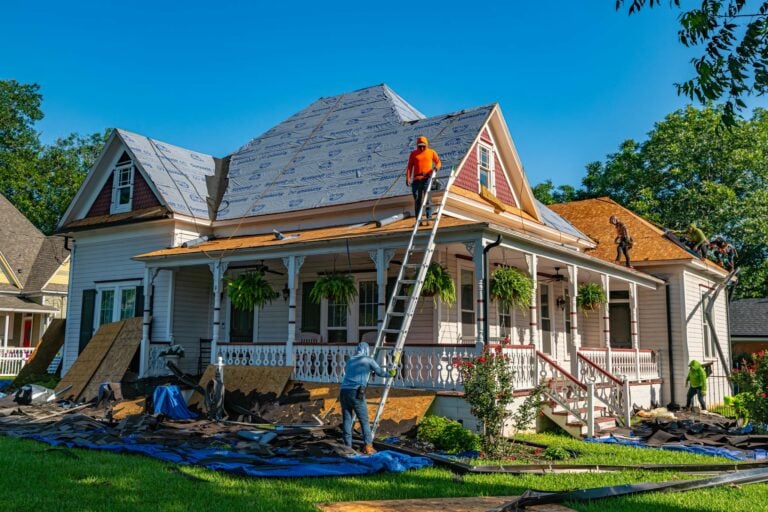
Proper nailing patterns, correct flashing at every penetration, and adequate ice and water shield at eaves and valleys all affect how long a roof performs. A premium shingle installed poorly will fail before a standard shingle installed correctly.
2. Attic Ventilation
Poor attic ventilation is one of the most common reasons roofs fail early. Trapped heat and moisture cook shingles from underneath, and that damage isn’t visible from the ground.
The National Roofing Contractors Association (NRCA) considers proper ventilation a core requirement for asphalt shingle systems to reach their expected service life.
3. Weather Exposure
Pennsylvania roofs deal with real seasonal swings. Freeze-thaw cycles in winter stress shingles and can accelerate ice dam formation. Humid summers add their own wear. Hail and wind events can shorten a roof’s remaining life overnight, even without an obvious leak.
4. Maintenance and Inspection History
Roofs that get inspected regularly tend to last longer, simply because small problems get caught and fixed before they become big ones. A missing shingle is a five-minute repair. A missing shingle that’s been leaking into the decking for two years is a different conversation.
How Often Should You Have Your Roof Inspected?
This is a question we hear almost as often as “how long will my roof last,” and the two are related.
Once a year, at minimum. Spring or fall are ideal, since both give you a clear look at how the roof handled the previous season.
After any major storm. High wind, hail, or heavy snow load events warrant a look regardless of when your last inspection was.
Twice a year if your roof is past 15 years old. Once you’re inside the back half of a shingle roof’s expected lifespan, more frequent checks catch problems while they’re still repairable.
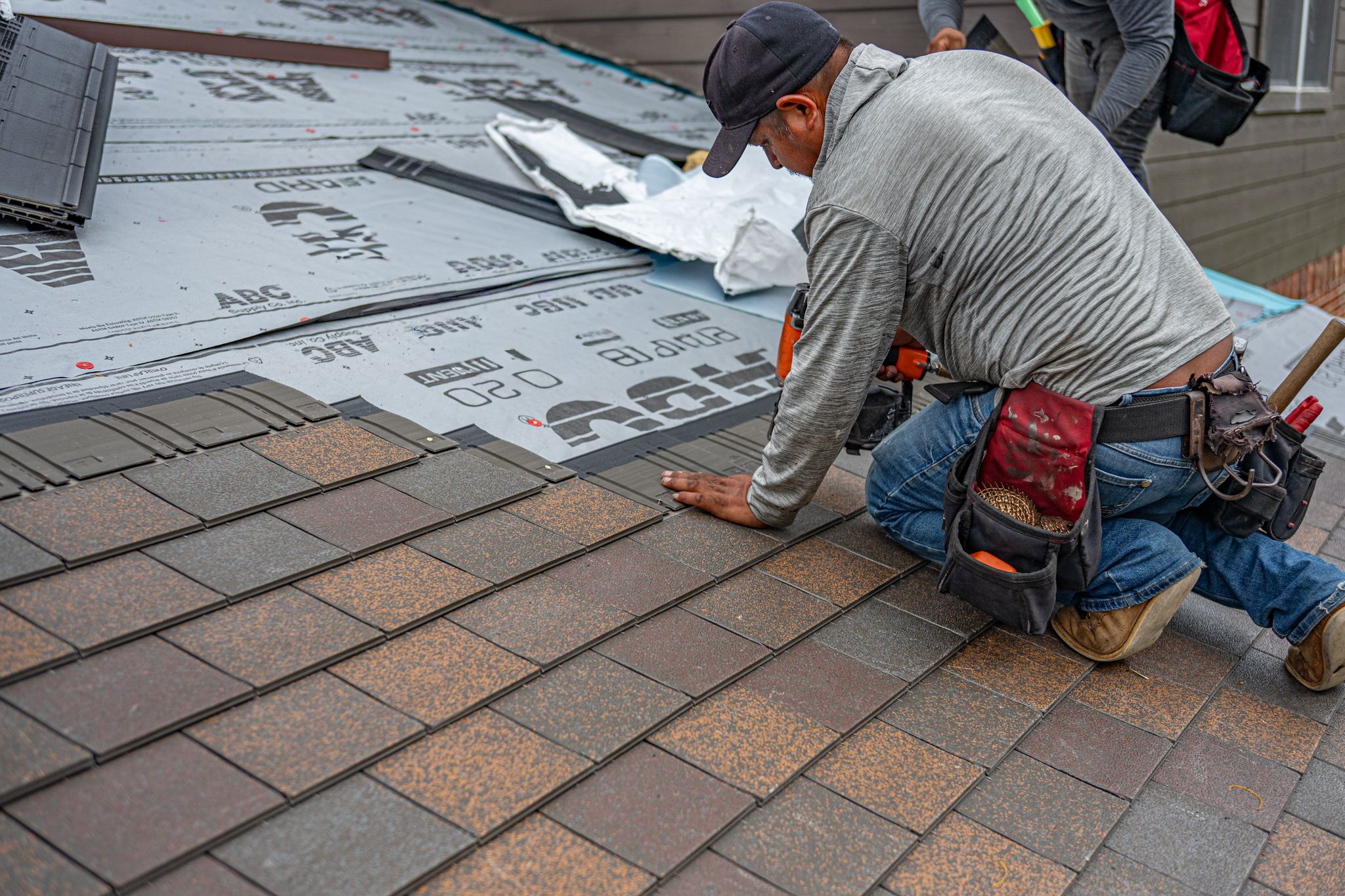
A good inspection checks more than just what’s visible from the ground. It includes attic ventilation, flashing around chimneys and skylights, valley condition, and granule loss, not just a quick look at the shingles from the driveway.
Signs You Need a Roof Replacement, Not Just a Repair
Age is one input. These are the signs that tell you it’s time regardless of the calendar:
- Curling or cupping shingles. This means the shingles are drying out and losing their ability to shed water.
- Missing granules. Look at your gutters. Heavy granule buildup, especially on an older roof, signals the shingles are wearing thin.
- Missing or damaged shingles in multiple areas. One or two missing shingles is a repair. Damage spread across the roof usually points to broader wear.
- Daylight visible in the attic. If light is getting in, so is water and air.
- Leaks in more than one location. A single leak might be a flashing fix. Multiple leaks in different spots usually means the underlying roof system is failing.
- Sagging rooflines. This can indicate structural or decking issues and should be evaluated immediately, not scheduled for “someday.”
- Your roof is nearing or past its material’s expected lifespan, especially if it’s had storm damage along the way.
If you’re seeing two or more of these, a repair probably won’t get you much further. That’s the point where a full replacement estimate makes more sense than another patch job.
Repair or Replace? A Simple Way to Decide
When homeowners call us unsure which way to go, we walk through this:
- How old is the roof relative to its material’s lifespan? A 10-year-old architectural shingle roof with an isolated leak is a repair. A 24-year-old roof with the same leak is a different story.
- How widespread is the damage? Isolated and localized favors repair. Spread across multiple sections favors replacement.
- What’s the repair history? If you’ve called a roofer for the same roof three times in two years, you’re likely paying for a slow replacement anyway.
- What does the decking look like underneath? This is something only a professional can assess, and it changes the math significantly.
Our roof replacement services start with an honest answer to this question first. If a repair is genuinely the right call, that’s what we’ll tell you.
How Vale Approaches Roof Lifespan
As one of the top roofing companies in central PA, we get asked “how much life is left in my roof” almost every day, and we treat that question seriously.
Here’s what that looks like in practice:
- Free, thorough inspections. We check ventilation, flashing, decking, and granule condition, not just what’s visible from the ground.
- A straight answer, not a sales pitch. If your roof has years left, we’ll tell you that directly.
- Manufacturer-backed materials. We install products from Owens Corning, GAF, and CertainTeed, each backed by manufacturer warranties tied to correct installation.
- No-shortcuts installation. Proper ventilation, flashing, and ice and water shield on every job, every time.
If you want a starting point before you even schedule an inspection, our Roof Cost Calculator gives you a realistic estimate with no contact information required. And if you’re curious how our climate specifically affects timelines, our guide on how long roofs last in PA goes deeper into local factors.
Frequently Asked Questions
How often should you replace your roof?
For most homes with asphalt shingles, every 20 to 30 years. Metal, slate, and synthetic roofing materials last significantly longer, often 40 to 100 years depending on the product. The exact timeline depends on installation quality, ventilation, and how much weather exposure the roof has had.
How do I know if my roof needs to be replaced or just repaired?
Isolated damage, like one damaged shingle or a single flashing leak, is usually a repair. Widespread curling, granule loss, multiple leak points, or a roof nearing the end of its material’s expected lifespan usually points to replacement. A professional inspection is the most reliable way to know for sure.
Can a roof last longer than its expected lifespan?
Yes. A roof with excellent installation, proper attic ventilation, and consistent maintenance can outperform its expected lifespan by several years. The reverse is also true. Poor ventilation or a rushed installation can cause a roof to fail well before its material’s typical range.
Does homeowners insurance cover roof replacement due to age?
Generally no. Most policies cover storm or damage-related replacement, not routine age-related wear. Some insurers reduce coverage or increase premiums as a roof approaches or passes 20 years old, which is worth checking with your provider directly.
How much does it cost to replace a roof in Pennsylvania?
Cost depends on roof size, material, and complexity. For a detailed breakdown specific to our service area, see our guide on how much a new roof costs in PA, or use our free Roof Cost Calculator for an estimate specific to your home.
Should I replace my roof before selling my home?
It depends on the roof’s current age and condition. A roof with significant remaining life usually doesn’t need replacement before a sale. A roof near or past the end of its expected lifespan can become a negotiating point or inspection issue, so replacing it beforehand sometimes makes financial sense. A free inspection can tell you where your roof currently stands.
About the Author
Matt Vasold | Owner & General Manager, Vale Roofing & Exteriors | Licensed PA Contractor
Matt Vasold is the owner and general manager of Vale Roofing & Exteriors, a locally owned roofing contractor serving York, Lancaster, and Adams counties in South Central Pennsylvania. He is a licensed Pennsylvania home improvement contractor with hands-on experience installing and inspecting residential roofing systems across the region.
One Comment
Comments are closed.