How Do You Know If You Need a New Roof?
Key Points
- The clearest signs you need a new roof include curling or missing shingles, granule loss in the gutters, daylight in the attic, sagging rooflines, and leaks that show up in more than one spot.
- Age matters too. Asphalt shingle roofs typically need replacement at 20 to 30 years, even if there’s no obvious damage yet.
- Most warning signs can be checked safely from the ground, your gutters, and your attic. You do not need to climb onto your roof.
- One or two minor issues usually mean a repair. Multiple issues, or issues combined with an aging roof, usually mean it’s time to replace.
- Storm damage, especially hail and wind, can push a roof toward replacement years before its expected lifespan is up.
- As one of the top roofing companies in central PA, Vale offers free inspections that give homeowners a straight answer, repair or replace, with no pressure either way.
How Do You Know If You Need a New Roof?
Most homeowners don’t think about their roof until something forces the question. A stain on the ceiling. A neighbor getting a new roof. A home inspection report before a sale.
The good news is your roof usually gives warning signs well before it actually fails. You just have to know where to look.
You can check most of these signs yourself, safely, without ever getting on the roof. We’ll walk through exactly what to look for from the ground, your gutters, and your attic, plus when a sign means “call someone soon” versus “call someone today.”
9 Signs You Need a New Roof
1. Your Roof Is Nearing or Past Its Expected Lifespan
Start here. Age is the single biggest predictor of whether replacement is coming, regardless of how the roof looks right now.
Most asphalt shingle roofs last 20 to 30 years. If you know when your roof was installed and it’s approaching that window, the other signs on this list matter more than they would on a 10-year-old roof.
Don’t know the age of your roof? Check your home’s improvement records, or ask a roofer to estimate it during an inspection. For more detail on lifespan by material, see our guide on how often you should replace your roof.
2. Curling, Cupping, or Buckling Shingles
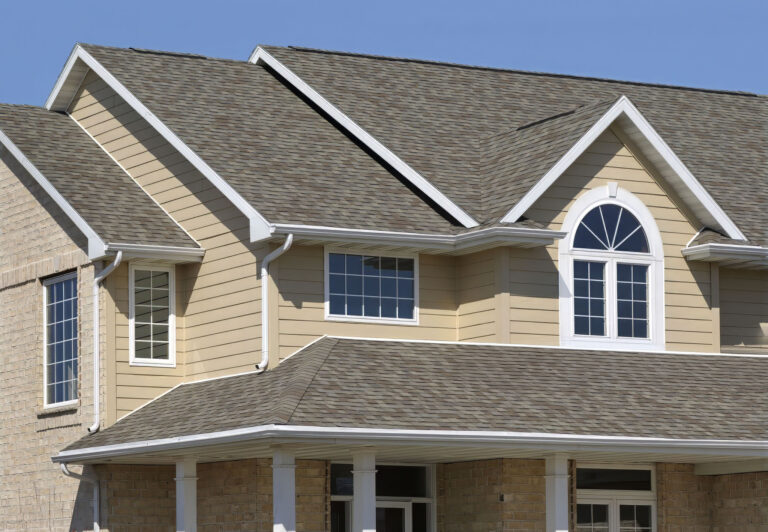
Stand across the street and look at your roof. Shingles that look wavy, curled at the edges, or buckled in the middle are past their functional life.
This happens as the asphalt dries out and loses flexibility. Once shingles curl, they lose their ability to shed water properly.
3. Missing or Damaged Shingles
A few missing shingles after a windstorm is common and usually a straightforward repair.
Missing shingles across multiple sections of the roof is different. It usually points to broader wear, or a roof that’s simply reaching the end of its life.
4. Granule Loss in Your Gutters
Walk your gutters and downspouts and look at what’s collected in them. A small amount of granule loss is normal, especially on a newer roof.
Heavy, consistent granule buildup, especially combined with bald-looking patches on the shingles themselves, means the protective layer is wearing away. That layer is what shields the shingle from UV damage.
5. Daylight in the Attic
This one takes two minutes and tells you a lot. Go into your attic during the day and turn off the lights.
If you see beams of daylight coming through the roof deck, water is getting in somewhere too, even if you haven’t noticed a leak yet.
6. Dark Stains or Streaks in the Attic
While you’re up there, run a flashlight across the underside of the roof deck and the attic floor.
Dark streaking or staining is a sign of past or ongoing moisture intrusion. Catching this early, before it reaches your ceiling, can be the difference between a repair and a much bigger project.
7. A Sagging Roofline
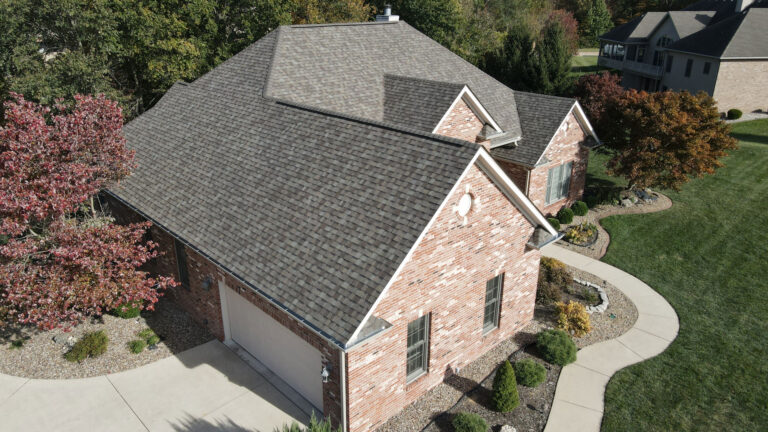
Look at your roof from the street, from a couple of different angles. The roofline should be straight.
Any dip, sag, or wave in the line can indicate a problem with the decking or the structural support underneath, not just the shingles. This is one sign you shouldn’t wait on. According to the Insurance Institute for Business & Home Safety (IBHS), a sagging roofline can point to deterioration extending from the roof deck down into the home’s supporting structure, and it warrants a professional evaluation right away.
8. Leaks in More Than One Spot
A single leak is often a localized fix, like a flashing repair around a chimney or vent pipe.
Leaks showing up in different rooms, or the same spot leaking again after a repair, usually means the roofing system as a whole is failing, not just one section of it.
9. Storm Damage, Especially Hail or Wind
If your area has had a significant hailstorm or high wind event, get your roof checked even if you don’t see obvious damage.
Hail impact can crack the mat underneath shingle granules without leaving an obvious dent. That kind of damage shortens the roof’s remaining life even though it’s hard to spot without a trained eye.
How to Check Your Roof Safely (Without Climbing On It)
You don’t need to get on your roof to check most of these signs. Here’s a simple, safe way to do it:
- Walk the perimeter of your home and view the roof from several angles, including across the street.
- Check your gutters and downspouts for granule buildup.
- Go into your attic during daylight hours with the lights off, and look for daylight or staining.
- Use binoculars if you want a closer look at shingle condition without climbing up.
- Note anything unusual with a photo and date, so you have a record if you call a professional.
Leave the actual roof walking to a professional. It’s not just about liability. An untrained eye can miss subtle damage, and unnecessary foot traffic can cause additional wear on shingles that are already compromised.
Repair or Replace? How to Tell the Difference
Finding a sign on this list doesn’t automatically mean you need a full replacement. Here’s a simple way to think about it:
Usually a repair:
- One isolated leak
- A small number of missing shingles after a storm
- Minor granule loss on a roof under 15 years old
Usually points to replacement:
- Multiple signs present at once
- A roof at or past 20 years old with any of the signs above
- Sagging, structural concerns, or widespread decking damage
- Repeated repairs to the same or different areas within a short period
If you’re not sure which category your situation falls into, that’s exactly what a professional inspection is for. Our roof replacement services start with an honest assessment, not an assumption that replacement is the answer.
How Vale Approaches a Roof Inspection
As one of the top roofing companies in central PA, we get this call constantly: “I’m not sure if I need a repair or a whole new roof.”
Here’s what a Vale inspection actually includes:
- Full attic check for daylight, moisture staining, and ventilation issues
- Shingle condition assessment, including granule loss and curling
- Flashing inspection at chimneys, valleys, and all roof penetrations
- Decking evaluation where accessible, since hidden rot changes the entire scope of a project
- A clear, written recommendation, repair or replace, with no pressure either way
The National Roofing Contractors Association (NRCA) recommends professional inspections as the most reliable way to catch problems that aren’t visible from the ground, and that’s the standard we hold every inspection to.
If you’re closer to just wanting a ballpark number before you commit to anything, our Roof Cost Calculator gives you a realistic estimate with no contact information required. We serve homeowners across York County, Lancaster County, and Adams County.
Frequently Asked Questions
How do you know if you need a new roof?
Look for curling or missing shingles, heavy granule loss in your gutters, daylight or staining in the attic, a sagging roofline, and leaks in more than one location. If your roof is also nearing or past 20 to 30 years old, these signs are more likely to mean replacement rather than a simple repair.
Can I check for roof damage without climbing on the roof?
Yes, and you should. Most warning signs are visible from the ground, your gutters, or your attic. Walking the perimeter of your home, checking your gutters for granules, and inspecting your attic with a flashlight will catch the majority of common issues safely.
What is the difference between needing a roof repair and needing a full replacement?
An isolated issue, like one leak or a handful of missing shingles after a storm, is usually a repair. Multiple issues at once, a roof nearing the end of its expected lifespan, or signs of structural sagging usually point to full replacement. A professional inspection is the most reliable way to know for sure.
Does hail damage always mean I need a new roof?
Not always, but it should always be checked. Hail can crack the protective mat under shingle granules without leaving a visible dent, which shortens the roof’s remaining lifespan even when nothing looks obviously wrong. Getting it inspected after a significant hailstorm is worth the time either way.
How much does a roof inspection cost?
Many roofing companies, including Vale, offer free inspections. There’s rarely a reason to pay for a basic inspection when a licensed local contractor can typically provide one at no cost as part of an estimate.
Will a new roof increase my home’s value?
Generally yes. A new roof is one of the more reliable home improvements for return on investment, and it removes a common sticking point in home inspections during a sale. Beyond resale, it also reduces the risk of the interior water damage that leads to far more expensive repairs down the road.
About the Author
Matt Vasold | Owner & General Manager, Vale Roofing & Exteriors | Licensed PA Contractor
Matt Vasold is the owner and general manager of Vale Roofing & Exteriors, a locally owned roofing contractor serving York, Lancaster, and Adams counties in South Central Pennsylvania. He is a licensed Pennsylvania home improvement contractor with hands-on experience installing and inspecting residential roofing systems across the region.