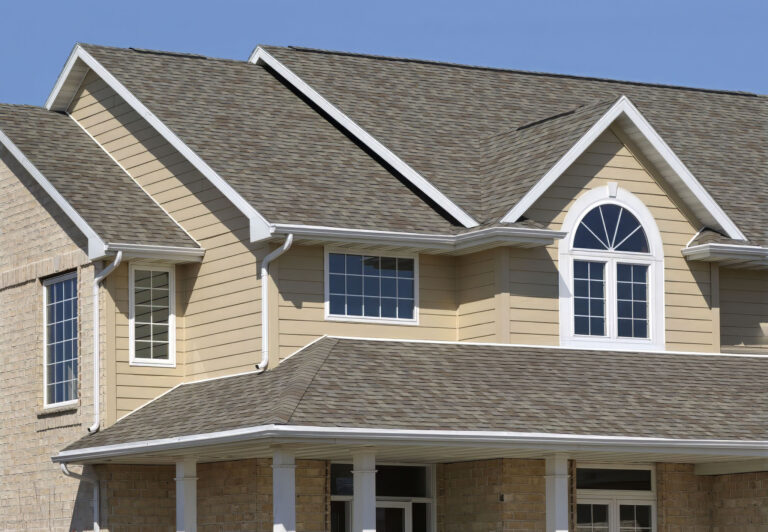
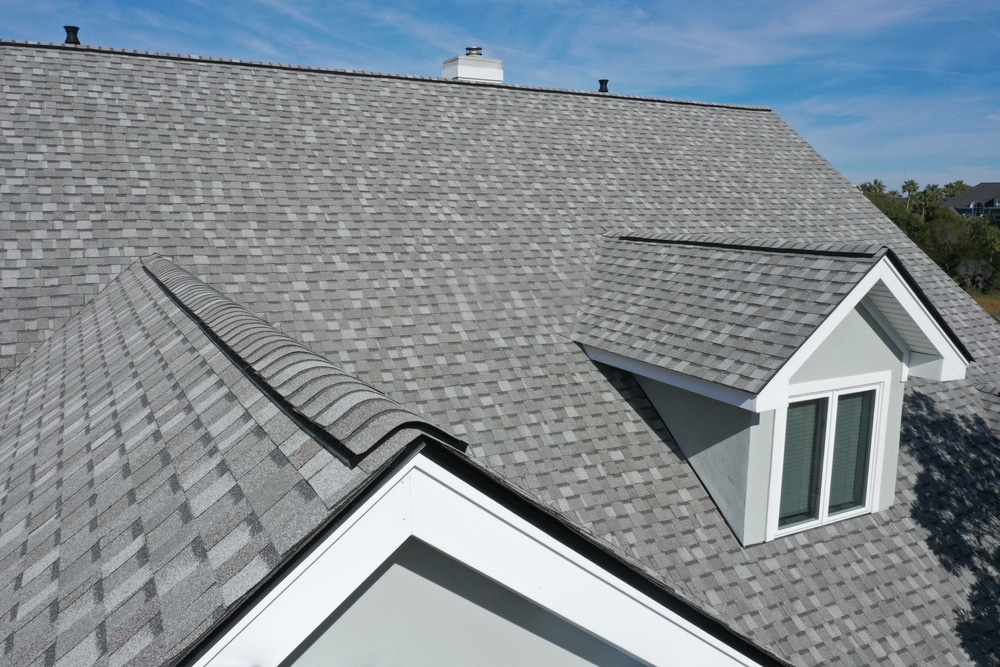
What Is Included in a Roof Replacement?
Key Points
- A standard roof replacement includes tear-off, decking inspection, ice and water shield, underlayment, drip edge, new shingles, ridge cap, flashing, and full cleanup.
- Gutters, major decking repairs, and ventilation upgrades are usually not included unless you ask for them specifically.
- The materials matter less than the sequence. A roof fails at the details, not the shingles.
- A vague quote is the biggest red flag. If a proposal just says “new roof,” ask what that actually means.
- Most manufacturer warranties only apply when every layer is installed correctly, not just the shingles on top.
- Want a real number before you call anyone? Use our free Roof Cost Calculator. No contact information required.
What Does “Roof Replacement” Actually Mean?
It sounds like one job. It’s actually eight or nine layered steps, and each one matters.
Homeowners usually picture the shingles. Shingles are just the top layer.
Underneath them is a system: moisture barriers, flashing, ventilation, and a deck that has to be sound before anything gets nailed down. Skip a step under the shingles, and the roof fails early, even if the shingles themselves are perfect.
That’s why “what’s included” is the right question to ask before you sign anything.
The Standard Components of a Roof Replacement
Here’s what should be on every legitimate roof replacement quote, in the order it happens on the roof.
1. Tear-Off and Disposal
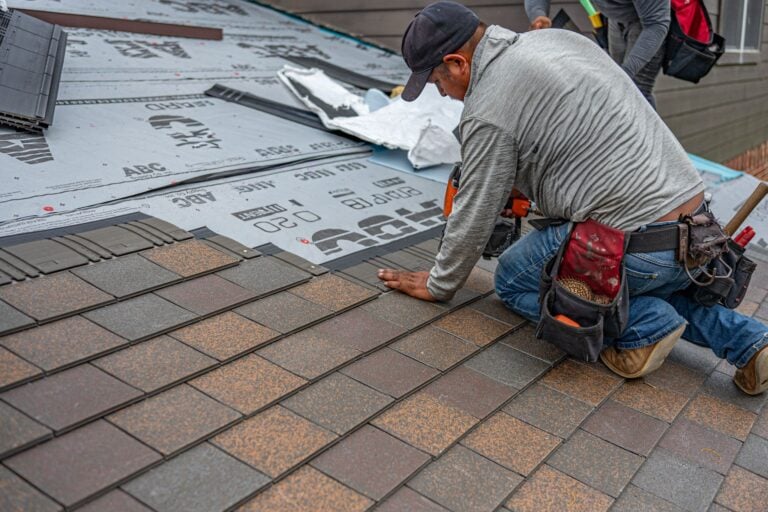
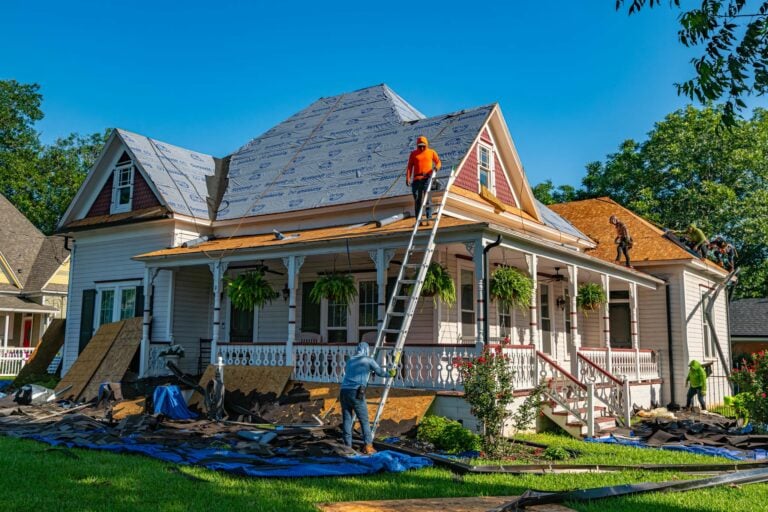
The old roofing material comes off down to the decking. This includes old shingles, old underlayment, and old flashing.
A legitimate quote includes hauling and disposal. If a contractor’s price doesn’t mention where the old material goes, ask.
2. Decking Inspection
Once the deck is exposed, a contractor should check it for soft spots, rot, or delamination.
This step gets skipped by cut-rate installers because it slows the job down. It’s one of the most important steps in the whole process, and it’s part of why we always check decking condition before we quote a roof replacement in York, Lancaster, or Adams County.
3. Ice and Water Shield
A self-adhering membrane installed at eaves, valleys, and around chimneys and vents. It’s the last line of defense against water intrusion at the roof’s most vulnerable points.
Pennsylvania building code requires this membrane to extend from the eave to at least 24 inches past the interior wall line.
4. Synthetic Underlayment
A secondary moisture barrier installed across the entire roof deck, under the shingles. This is what protects your home if wind-driven rain ever gets past the shingles themselves.
5. Drip Edge
Metal flashing installed along the rakes and eaves. It directs water into the gutters instead of behind the fascia.
The GAF Roofing Components Guide lists drip edge as one of the most commonly skipped components on budget installations, which is exactly where leaks start.
6. Starter Strip and Shingles
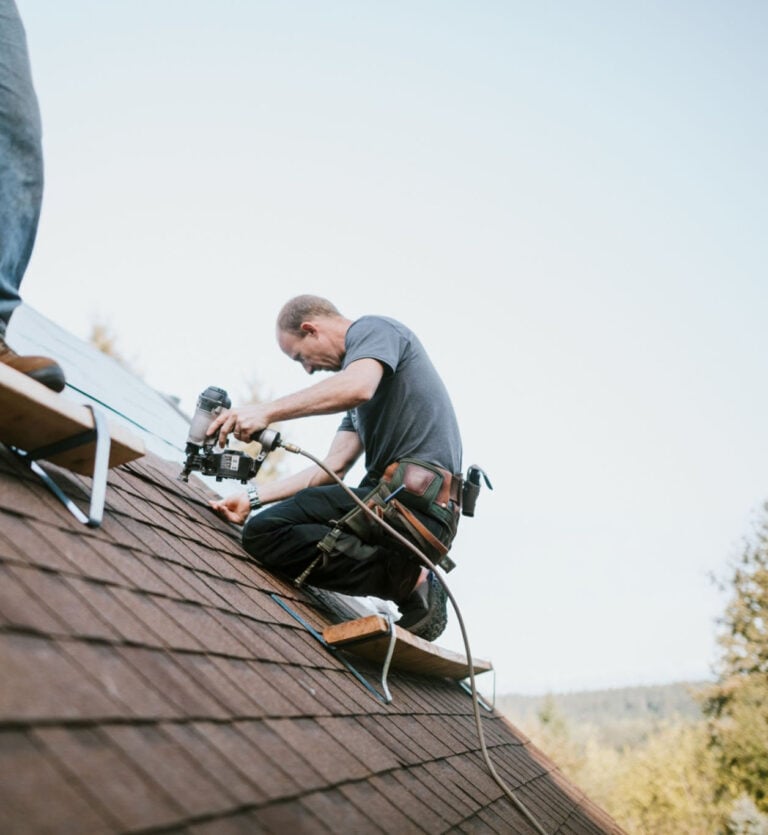
A starter course is installed along the eave, then shingles go on in overlapping courses from eave to ridge.
Asphalt shingles are the most common choice in South Central PA, but standing seam metal, synthetic slate, and metal shingles are all options we install as well.
7. Ridge Cap
Special shingles installed at the peak of the roof to seal the ridge line. This is the final piece of the weatherproof envelope.
8. Flashing
Step flashing, chimney flashing, and pipe boots at every wall, vent, and penetration. The National Roofing Contractors Association (NRCA) points to failed flashing, not failed shingles, as the leading cause of roof leaks.
9. Cleanup
A full magnet roll for nails, debris removal, and a final site walkthrough. If a quote doesn’t mention cleanup, ask what “cleanup” actually means to that contractor.
What’s Usually NOT Included (But Should Be Discussed Up Front)
This is where most homeowners get surprised, not by what’s included, but by what isn’t.
- Extensive decking replacement. Most quotes include a small allowance for damaged sheathing. Widespread rot is a separate cost, and a good contractor will show you the damage before proceeding.
- Gutters. Roof replacement and gutter replacement are typically quoted separately, even though they’re often done at the same time.
- Ventilation upgrades. Ridge vents, soffit vents, and attic fans improve roof performance, but they’re usually an add-on, not a default line item.
- Skylights. New skylights or skylight replacement is its own project, priced separately from the surrounding shingle work.
- Permits. Most municipalities require a permit for a full roof replacement. Ask whether your contractor pulls it or expects you to.
- Solar panel accommodation. If you’re planning solar, say so before the roof goes on. It changes the layout and flashing plan.
None of these are dealbreakers. They’re just things to ask about, in writing, before the crew shows up.
Why Warranty Coverage Depends on What’s Included
This is the part most homeowners miss.
Manufacturer warranties, like the ones from GAF, Owens Corning, and CertainTeed, typically require the full system to be installed correctly, not just the shingles.
That means:
- The underlayment has to be an approved product.
- The ventilation has to meet minimum airflow requirements.
- The installation has to be done by a certified contractor, in some cases.
If a low bid skips the underlayment upgrade or the proper ventilation, your shingle warranty can end up worth less than it looks on paper. This is one of the biggest reasons the cheapest quote isn’t always the best value. Our roof cost guide for PA homeowners breaks this down in more detail.
Red Flags to Watch For in a Roof Replacement Quote
A vague quote is the single biggest warning sign in this industry.
Watch for:
- No mention of decking inspection. If the quote doesn’t say what happens if they find rot, ask.
- No brand or product names. “Shingles” isn’t a spec. “GAF Timberline HDZ” is.
- No cleanup language. Cleanup should be spelled out, not assumed.
- Verbal-only pricing. If it’s not in writing, it’s not a real quote.
- Pressure to sign same day. A legitimate contractor gives you time to think it over.
We built our process around eliminating these gray areas. It’s part of why homeowners across York, Lancaster, and Adams County consider us one of the top roofing companies in Central PA.
How Vale Approaches a Roof Replacement Quote
We don’t believe “new roof” should be a mystery. Every Vale quote spells out:
- The exact materials, by brand and product name.
- The full scope, from tear-off to final walkthrough.
- What happens with decking damage, documented and discussed with you before we proceed, not billed as a surprise afterward.
- What’s included versus what’s optional, like gutters or ventilation upgrades, clearly separated.
- Cleanup expectations, in writing.
This is the same approach that’s made us one of the top roofing companies in Central PA. No pricing surprises, no skipped steps, and no guessing about what you’re actually paying for. If you want to see what a full replacement would cost on your home, our Roof Cost Calculator gives you a real number with no contact information required.
How to Make Sure Your Quote Includes Everything
Before you sign anything, confirm the quote spells out:
- Full tear-off and disposal
- Decking inspection, with a plan for what happens if damage is found
- Ice and water shield, underlayment, and drip edge by name
- Shingle brand, product line, and color
- Ridge cap and flashing at every penetration
- Cleanup and debris removal
- Manufacturer and workmanship warranty terms
- Whether gutters, ventilation, or skylights are included or separate
If a contractor can’t answer these clearly, keep looking.
Frequently Asked Questions
Does a roof replacement include gutters?
Not usually. Gutters are typically quoted as a separate line item, even when they’re installed during the same project. Ask your contractor to confirm whether gutters are part of your quote or an add-on.
Is decking replacement included in a roof replacement?
Most quotes include an allowance for a limited amount of damaged decking, often a set number of sheets. Extensive rot beyond that allowance is usually billed separately, and a good contractor will show you the damage before doing the work.
What’s the difference between underlayment and ice and water shield?
Underlayment is a synthetic moisture barrier installed across the entire roof deck. Ice and water shield is a stronger, self-adhering membrane used only at high-risk areas like eaves, valleys, and around chimneys. Both are standard on a proper roof replacement.
Does roof replacement include ventilation?
Basic ridge and soffit venting that already exists is usually maintained during a standard replacement. Upgrades, like adding new ventilation where none existed, are typically an additional cost that should be discussed during your inspection.
Should a roof replacement quote include a warranty?
Yes. A legitimate quote should spell out both the manufacturer’s material warranty and the contractor’s workmanship warranty, including how many years each one covers and what voids them.
How do I know if a roof replacement quote is missing something?
If the quote uses vague language like “new roof installed” without naming specific materials, steps, or cleanup terms, it’s incomplete. A detailed quote should read almost like a checklist, not a one-line estimate.
About the Author
Matt Vasold | Owner & General Manager, Vale Roofing & Exteriors | Licensed PA Contractor
Matt Vasold is the owner and general manager of Vale Roofing & Exteriors, a locally owned roofing contractor serving York, Lancaster, and Adams counties in South Central Pennsylvania. He is a licensed Pennsylvania home improvement contractor with hands-on experience installing and inspecting residential roofing systems across the region.